CCS – Controlling Competence Spaces
- 10/11/2026 13:00 ' - 12/11/2026 17:00 '
- Online at icv|spaces
- 3 days, 13:00 to 17:00 each day
- Book individual days or a complete package
- Free cancellation up to four weeks before the conference begins
- After that, 50% of the registration fee is due in the event of cancellation or if a substitute participant is named
CCS – Controlling Competence Spaces
The 6th edition of the largest online conference on controlling is now open for registration
You are currently viewing a placeholder content from YouTube. To access the actual content, click the button below. Please note that doing so will share data with third-party providers.
More InformationAI in controlling – Level up!
The question is no longer whether AI plays a role in Controlling & Finance – but how you scale it to create real benefits. Anyone who dismisses AI as “useless” is wasting potential. Anyone who sees AI as a replacement for people is misjudging its role. Because right now, in an environment of uncertainty and geopolitical upheaval, controlling is needed that strengthens decisions and at the same time intelligently shapes the path to autonomous finance through AI.
The Controlling Competence Spaces will show you how to do this: with practical approaches for more speed, better insights and responsible implementation. And in the metaverse – interactive, efficient and with real networking instead of just watching.
Join us and level up – we look forward to welcoming you to our midst as an Avatar in November 2026!

Vice-Chairwoman of the ICV Executive Board
2026 is the right time to take the next step: away from testing and towards effective application. In short: less hype, more substance – and plenty of impetus for the next step.
 Stephen Walter, CCS organization team
 The CCS is the largest event for AI in Controlling & Finance in the metaverse – and this is precisely where its added value lies: you will encounter an extraordinary variety of topics, formats and perspectives, without the need to travel and without commuting. This allows you to use your time more efficiently, gain more relevant impulses and get into the exchange that really helps you move forward.
 Prof. Dr. Björn Baltzer, CCS organization team
 We are not interested in AI buzzwords, but in the step from pilot to impact. The CCS shows you how to scale AI responsibly – with concrete use cases, clear learnings and real benefits for Controlling & Finance.
 Christian Bramkamp, CCS organization team
 From Strategy & Governance to Forecasting, Planning & Performance to AI Agents, BI & Data Analytics and Future Skills: the CCS covers the topics that are currently driving Controlling & Finance. You can put together exactly the focus areas that suit your role.
 Carmen Zillmer, CCS organization team
 With keynotes, lectures, talks, round tables, world cafés, study results, AI hands-on and knowledge nuggets, you will get exactly the mix of orientation, depth, exchange and practical relevance that you need for the next step.
 Jasmin Engel, CCS organization team
 Especially with AI in Controlling & Finance, the exchange with others is crucial: What really works? Where are the hurdles? At Metaverse, we create suitable spaces for this – from sky lounges and beaches to break-out sessions and roundtables to info points for 1:1 and group discussions.
 Daniela Wenig-Scheu, Speaker
 The “S” in CCS also stands for “spending fun time.” Where else can you simply send your avatar to a meeting? Where else is an outfit—one that’s a far cry from the classic business look—celebrated so much? So if you want to learn professionally while experiencing a unique community, come to CCS!
 Hilal Öntürk, DATEV
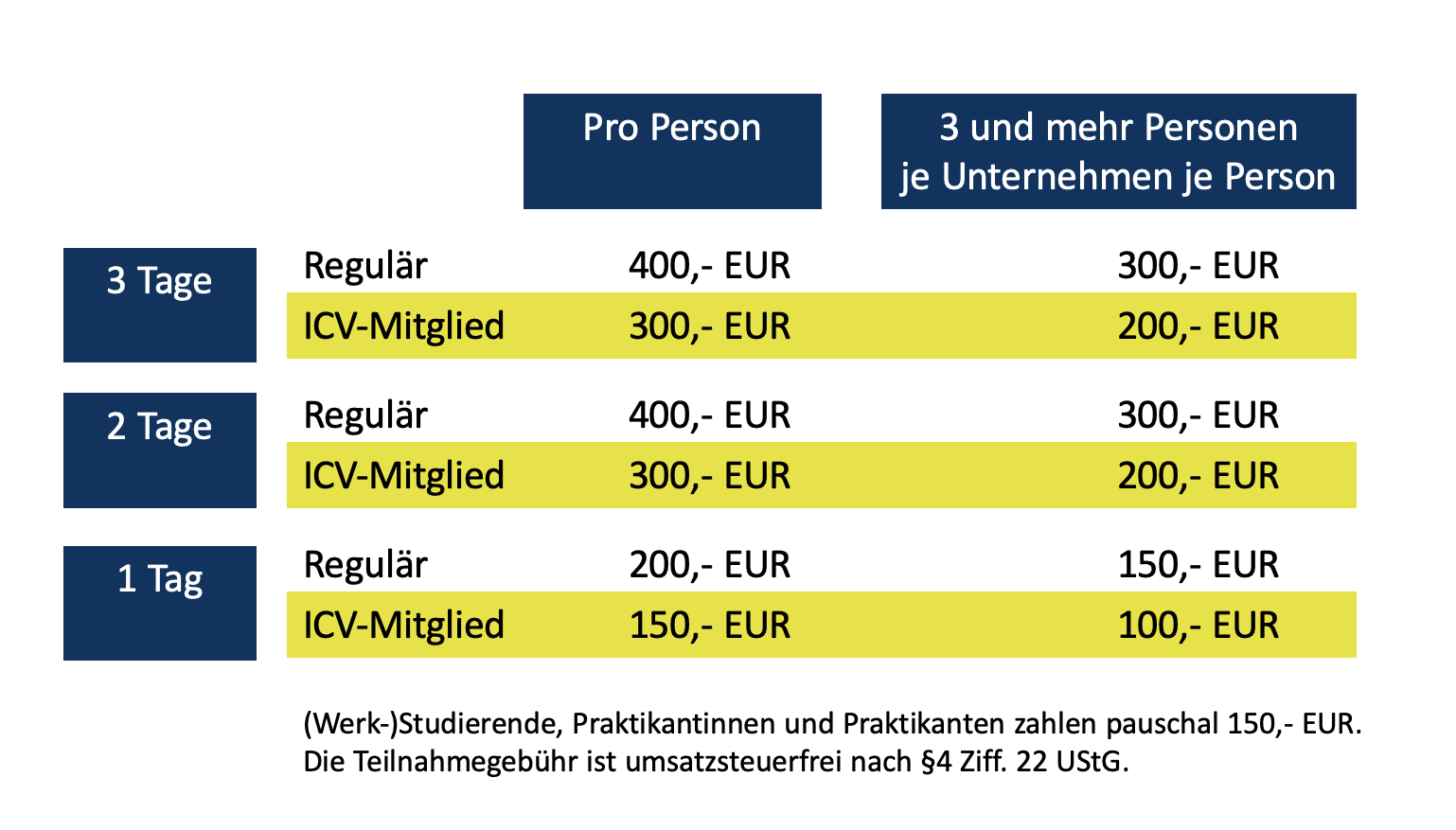
 Register now: registration fees
Training for Participants
To help you get ready for the CCS in the Metaverse, you’ll receive an email on October 23, 2026, at your CCS registration email address with a TEAMS link and your personal access link to the Metaverse.
- The TEAMS link is for the training session. Björn will explain how to navigate the metaverse as an avatar.
Training dates:
Monday, Oct. 26, 2026 | 17:00 – 17:30
Wednesday, Oct. 28, 26 | 8:00–8:30
Friday, Oct. 30, 26 | 12:00 – 12:30 - After that, you’ll have access to the Metaverse, and you can log in at any time between November 2 and November 9, 2026, to apply what you’ve learned in training and get ready for the CCS on November 10–12.
Please note: The Metaverse will not be accessible before November 2.
November 10, 2026 – Event Day 1
Welcome to icv|spaces! Take some time to settle in, look around our virtual conference world, and discover what awaits you. Get familiar with your surroundings, let your first impressions sink in—and look forward to plenty of AI, controlling, and new perspectives.
Together, we’re kicking off three days filled with insights, real-world examples, and discussions about AI in controlling. To start things off, we’ll show you what to expect and get you in the right frame of mind for the topics and highlights of the CCS.
Moderation: Claudia Maron & Christian Bramkamp
These models and agents are transforming professions, and management accounting is one of them. We examine the dynamics of AI in November 2026 and apply them to management accounting.
Laurent Burdin, Founder and CEO, Space and Lemon Innovations
Laurent Burdin is the founder and CEO of SPACE AND LEMON INNOVATIONS, a trend consultancy based in Berlin and Hamburg. He advises large companies on topics such as digital innovation, the startup ecosystem, new technologies, and artificial intelligence. He always keeps an eye on the opportunities these present and maintains an independent perspective.
Moderation: Claudia Maron & Christian Bramkamp
In short, intensive discussions, you will get to know numerous experts, practitioners and interested parties within 30 minutes – every 3 minutes. You will gain valuable ideas, contacts and perspectives on artificial intelligence in the financial sector.
What you can expect:
- Quick 1:1 conversations – a new person, new perspective every 3 minutes
- Lightning insights into AI applications in controlling and finance and expectations of the conference
- Ideal introduction to networking and gathering ideas
Moderation: Claudia Maron & Christian Bramkamp
Time to recharge—and to network. Join the conversation, share your thoughts, experiences, and ideas about AI in controlling, and make new connections. After all, the most exciting insights often come from face-to-face exchanges.
- Why Decisions in the Movie Theater and Restaurant Industries Have Been Based on Intuition for Decades—and What That Costs
- How a Central AI Dashboard Integrates Sales, Capacity, Staffing, Maintenance, and Weather Data into a Decision-Making Process
- What Controllers and Executives Can Take Away for Their Own Practice from an Anonymized Industry Study Involving 12 Companies
Martina Kuhlmann, Let’s Rock AI – Martina Kuhlmann, Wedemark
Martina Kuhlmann is keynote speaker, AI strategist and entrepreneur. As the founder of Lets Rock AI she accompanies the company in the process of understanding, Artificial Intelligence not as a tool, but as a strategic with framework. Your focus is on AI-based on marketing, data-driven positioning and the question, why AI-Initiatives in the company fail – and what leadership has to do with it. She speaks on conferences for decision-makers, controllers, and Entrepreneur, including the Niedersächsische Unternehmerinnenkongress (2025 & 2026, Hanover) and the DigitalXchange Bergisches RheinLand 2026 (TH Köln, Campus Gummersbach). Her work connects strategic depth with practical relevance – most recently in an industry study with 12 movies and restaurants and other food service establishments for introducing predictive analytics and AI dashboards in the operational marketing.
Moderation: Jasmin Engel
- Experimentation: Lowering barriers, sparking curiosity, making AI tangible.
- Strategy: Identify and prioritize use cases and incorporate them into a roadmap.
- Enablement: Broadly develop competencies so that many can drive the transformation.
Daniela Wenig-Scheu, Controller, Innovation Driver, and Knowledge Multiplier, Merck KGaA, Bad König
Daniela Wenig-Scheu is a Group Controller at Merck KGaA in Darmstadt, where her responsibilities include group-wide controlling projects with a focus on predictive forecasting and the use of generative AI in finance. Her current responsibilities include leading the “Predictive Net Sales Forecast” project and developing a Generative AI-powered commentary on financial data. In addition, she is responsible for group-wide reporting standards, management reports, and financial content for senior management.
Previously, Daniela Wenig-Scheu worked in IT Controlling at Merck, where she drove the further development of global reporting and planning processes. Other positions included roles as a project controller at Continental, an R&D controller at CLAAS, and various controlling roles at Pumpenfabrik Wangen and OMIRA. She began her professional career after completing an apprenticeship as a financial administrator in tax affairs, which she supplemented with a dual degree program focusing on business administration and controlling.
Thanks to her many years of experience in industrial and corporate controlling, Daniela Wenig-Scheu combines in-depth controlling expertise with a deep understanding of digitalization, process optimization, and the practical application of artificial intelligence in the finance sector.
Moderation: Daniela Wenig-Scheu
- AI applications support data handling in the areas of data preparation, verification, and the derivation of actions
- Information and data sets are compiled, but the interpretation of the data often requires explanation
- There needs to be a clear purpose so that people can connect with the topic and contribute their skills.
- Relationships are the most influential factor in human interactions and in development
- Controlling serves as a bridge between data and people
- In addition to its control function, the controlling function increasingly needs to fulfill an effectiveness function
- Humans play a significant role in this process, as they establish connections based on data to enable effective measures
Daniel Mittelstädt, Business Coach / Head of Finance and Controlling, Daniel Mittelstädt Coaching, Leverkusen
Daniel Mittelstädt is Head of Controlling and Accounting at Mannstaedt GmbH, a member of the GMH Group. Prior to that, he spent over 14 years at Kiekert AG in various national and international controlling roles—including sales, purchasing, operations, business, and HR controlling, as well as accounting.
Since 2008, he has been responsible for controlling and finance matters in the automotive supply and steel industries. His areas of expertise include controlling, business analytics, corporate management, and the further development of finance processes.
In addition to his work in the industry, Daniel Mittelstädt works as an independent business coach, trainer, and mentor. As a Scientific 3 Mind Coach®, he supports professionals and executives through change processes, combining his many years of experience in financial controlling with systemic coaching approaches.
Moderation: Gabriele Heller
How S/4HANA Public Cloud Rollouts Will Shape the Future of AI in Financial Management
- Why AI in Controlling Doesn’t Fail Because of the Model, but Because of the Foundation Beneath It
- “Fit-to-Standard” as a Catalyst for Decision-Making: Chart of Accounts, Cost Centers, Profit Centers
- What needs to be determined before the rollout so that the database will be able to handle the load later on
- Lessons Learned from a Completed S/4HANA Public Cloud Go-Live
Barto Korpak, Program Lead for Finance Transformation | Domain Lead for FI/CO, Barto Korpak Berlin
Barto Korpak is a freelance Program Lead for Finance Transformation and Domain Lead for FI/CO. His focus lies at the intersection of the CFO organization and SAP implementation: designing governance models and embedding them in S/4HANA in a way that ensures they are effective in production. He has developed governance models for industrial and real estate companies, led the S/4HANA Finance rollout for a retail group in the German core market, and most recently supported a public cloud go-live at a platform company. Previously, he was a Senior Manager at PwC and a Senior Project Manager at Horváth, and before that held line management positions at Red Bull and Sony DADC. He is an ACCA and SAP Certified Application Associate and teaches as a guest lecturer at HDBW.
Moderation: Peter Greiner
Time for a break—and for conversations that lead to new insights. Take inspiration from the sessions, share your perspective, and find out what others are thinking about AI in controlling. And along the way, you’ll expand your network.
- A Reality Check Instead of Hype: Where Does AI Really Stand in Planning and Forecasting? What’s Already Up and Running, What’s Still in the Pilot Phase, and Why Were These Specific Use Cases Tackled?
- Trust and Change: How much decision-making do we leave to AI, and how do we ensure that the organization and its people are on board along the way (e.g., skills, acceptance, governance)?
- A New Understanding of Roles: Who is accountable for the results when models are used to help steer the process, and how is the role of the controller changing?
Panel Discussion: ”
,” moderated by Khai Tran, ManagingDirector, ValsightGmbH Berlin
Participants:
Daniela Wenig-Scheu, Merck KGaA
Frederick Fürst,DATEV eG
Can Tunco, Mercedes-Benz
Khai Tran is Managing Director and co-founder of Valsight GmbH. His focus is on data-driven scenario planning and simulation-based corporate management. In his interactions with CFOs and controlling teams, he focuses in particular on how modern technologies can support and accelerate decision-making processes in finance and strategy. Previously, he held various consulting roles with a focus on finance and controlling.
Daniela Wenig-Scheu has been working in Group Controlling at Merck KGaA in Darmstadt since 2023. Among other things, she leads projects related to predictive net sales forecasting and GenAI-supported analysis of financial data. Previously, she worked in IT Controlling at Merck. Other stops in her career included Continental, CLAAS, Pumpenfabrik Wangen, and OMIRA, where she held various controlling positions.
Frederick Fürst has held various management positions in Controlling at DATEV eG since 2012 and has been a member of the Executive Board in Corporate Controlling since 2025. Previously, he headed, among other things, Controlling, CTO Controlling, and Development Division Controlling. In addition, he was responsible for a Microsoft program and the Project Management Office at DATEV.
Can Tunco He has been with Mercedes-Benz AG since 2018 and is currently the Product Owner for Profit New Vehicles MBC. Previously, he served as Product Owner for Sales, Planning, Analytics & Controlling Excellence and as a Senior Business Intelligence Consultant in Sales Controlling. His areas of focus included digital transformation in the finance sector, data governance, BI and data warehouse architectures, and cash flow forecasting. Prior to that, he was a Managing Consultant at Horváth, where his work included predictive forecasting.
- What’s Already Possible Today: A Brief Look at Use Cases for Agent-Based Work
- How the Work in Controlling Is Changing: New Roles and Responsibilities for Controllers, Managers, and the Controlling Organization
- What needs to be clarified now: authority, responsibility, and guidelines for a controlled deployment
Julia Detering, Julia Detering Consulting, Ahrensburg
Julia Detering is a certified AI consultant and has many years of national and international experience in auditing and audit-related consulting, strategic controlling, and FP&A. Her professional career includes stints at Deloitte and Deutsche Telekom, among others.
Today, she develops workshops and learning formats focused on the practical application of artificial intelligence and explores the strategic and organizational implications of agent-based AI. In doing so, she combines her experience with finance, management, and control processes with a practical perspective on new forms of collaboration between humans and AI systems.
Moderation: Peter Greiner
- Why the Future of Controlling Isn’t Better Reporting—But Better Decisions
- When AI Provides the Answers: What Role Does Controlling Play as a Critical Function?
- The SENSE Model — Five Future Controlling Skills That Ensure Rational Decision-Making in the Age of AI
Prof. Dr. Andreas Seufert, Director of the Business Innovation Lab at the Ludwigshafen University of Business and Society; Head of the Expert Group at the ICV
Prof. Dr. Andreas Seufert is a professor at the Ludwigshafen University of Business and Society, where he heads the Business Innovation Lab. He is the head of the ICV Expert Group on Controlling & Analytics and co-chair of the AI/Machine Learning Committee of the international FP&A Trends Group. His work focuses on the intersection of controlling, corporate management, and artificial intelligence—with an emphasis on how to ensure rational decision-making in the age of AI. Under the brand “Controlling AI Move,” he combines research, teaching, and practice into a competency model for the future of controlling (SENSE).
Moderation: Hilal Öntürk
- Where It All Began
- What We Built and What We Learned
- Where it takes us next
Alican Polat, Divisional AI Lead, Corporate Finance, BASF Ludwigshafen
Alican leads AI and digital transformation in Corporate Finance at BASF. Over the past few years, he has built and scaled digital solutions that turn technology into measurable business value, from the initial prototype to global rollout. His work focuses on making advanced analytics and AI usable in day-to-day finance and controlling tasks, always working closely with the people who perform these tasks. He is convinced that transformation succeeds through adoption, not through tools, and his ambition is to position BASF as a global leader in the application of AI in finance and controlling.
Moderation: Claudia Maron & Christian Bramkamp
- Not every process needs an agent—what matters is where AI actually creates greater value in controlling.
- From Assistant to Agent: When Is Support Enough—and When Is Autonomous Execution Worth It?
- Autonomy needs guidelines—data, rules, roles, and escalation logic determine the extent to which agents can act independently.
- Agentic Controlling fundamentally transforms processes—rather than automating individual tasks, it rethinks entire decision-making and management workflows.
Florian Bliefert, Trainer and Consultant at CA Controller Academy Wörthsee
Florian Bliefert is a manager at CA controller akademie and works as a trainer, consultant, and speaker. He specializes in the use of artificial intelligence, AI agents, and advanced analytics in controlling. His work focuses on how analysis and controlling processes can be meaningfully automated and what degree of autonomy actually creates added value. In addition, he focuses on data mining, process optimization, and the design of future-proof controlling processes. He is the author of the book *Understanding and Applying Artificial Intelligence and Data Science in Controlling* as well as various professional articles, and he is an international keynote speaker.
Moderation: Gabi Heller
What will we take away from the day? We’ll summarize the key takeaways and insights, highlight some thought-provoking ideas, and look back together on what moved us today regarding AI in controlling.
Moderation: Claudia Maron & Christian Bramkamp
The first day of CCS has already come to an end—but there are still plenty of conversations left to have. Take advantage of this chance to wrap up the day together, strengthen existing connections, make new ones, and continue the conversation in a relaxed atmosphere. It was great having you here today!
November 11, 2026 – Event Day 2
We’re glad you’re here! Take your time settling into icv|spaces, have a quick look around, and find your spot in our virtual conference world. We’ll be kicking things off shortly with fresh insights and new perspectives on AI in controlling.
We’re kicking off the second day of CCS with new perspectives, concrete real-world examples, and fresh insights into AI in controlling. Look forward to new ideas, exciting insights, and plenty of opportunities to exchange ideas.
Moderation: Claudia Maron & Christian Bramkamp
- Why True Innovation Is Difficult
- AI is not just a new coat for old processes
- What this has to do with our brain
- What This Means for AI Projects in Finance
Anna Kremer, CEO & Senior Advisor, Kremer Management Consulting GmbH, Zurich
Anna Kremer is an independent management consultant with over 25 years of experience in transformation projects and corporate management. As a former partner at BearingPoint Switzerland and a former CFO, she understands controlling and finance from two perspectives: consulting and operational management.
In her keynote address, she combines current AI possibilities in the financial sector with insights from neuroscience. She explores why we often hesitate to capitalize on identified potential, what role our brains play in this, and how to ensure that AI projects succeed in truly making a difference—rather than merely accelerating existing processes.
Moderation: Claudia Maron & Christian Bramkamp
- Introduction and Motivation
- FInsights at a Glance
- Use Cases
- Next Steps
- Questions & Discussion
Nora Reuscher, Group Controlling/Reporting Manager, SCHOTT AG, Mainz
Nora Reuscher is the Manager of Controlling & Reporting at SCHOTT. She will moderate the session on FInsights, the AI assistant for management and controlling.
Moderation: Nora Reuscher
- Overview of Market Trends, Technologies, and Applications
- Presentation of Practical Use Cases in Finance and Controlling
- Demo videos and a roadmap for successful implementation
Xenia Miete, Principal, AI & Finance Transformation, and Tobias Meyer, Associate Partner, AI & Finance Transformation, Horváth & Partners GmbH, Stuttgart
Xenia Miete is a Principal in Horváth’s Controlling & Finance Competence Center and has more than 9 years of professional experience. As a transformation consultant, she draws on her extensive experience in implementing SAP S/4HANA transformations as well as the rollout of SAP Joule, generative AI, and AI agents to support public institutions in further developing their processes, organizations, and governance models. In doing so, she combines strategic thinking with strong implementation skills and helps organizations align their processes, structures, and technologies for the future. Throughout her career, she has successfully led numerous transformation programs and driven sustainable development in finance organizations. As an expert in digital transformation and the use of artificial intelligence in the financial sector, she represents Horváth’s expertise at industry events and conferences and also shares her insights in interviews with leading business and trade media outlets.
Tobias Meyer is an Associate Partner in Horváth’s Controlling & Finance Competence Center and has more than 15 years of consulting experience. His focus is on AI-driven financial transformation—ranging from CFO strategies and target operating models to the automation of end-to-end processes and the implementation of GenAI, AI agents, and data-driven technologies. He supports the entire transformation cycle, from strategy development and the design of sustainable organizational and process structures to global implementation and scaling. In doing so, he has successfully led numerous complex transformation programs across various industries and company sizes. In addition, Tobias represents Horváth’s transformation and AI expertise at conferences and industry events, is the author of studies, articles, and white papers on financial transformation and AI, and is a valued point of contact for executives and CFOs.
Moderation: Daniela Wenig-Scheu
- What is the initial situation, the approach, and the technical solution?
- What results were achieved, and what were the challenges?
- How can a team successfully navigate change?
Alexander Youssef, CFO of iteratec GmbH, Munich
Alexander Youssef has been the managing director of iteratec GmbH since 2022. A business administration graduate, he has more than 20 years of experience in finance and has held various leadership positions in the software and IT sectors, including at Amazon, Capgemini, and Horváth & Partners.
As Chief Financial Officer, he is responsible not only for the finance department but also for all central service areas—from human resources to infrastructure to office management—and their AI-driven transformation.
Moderation: Jasmin Engel
- How AI Currently Calculates Business Cases
- Intervals Instead of Point Estimates in Monte Carlo Simulation
- Targeted Validation Through Sensitivity Analysis
- Additional Benefits of Probabilistic Business Cases
Alexander Gutzler, CEO of Bayescase GmbH, Mannheim
Alexander Gutzler is the founder and CEO of Bayescase, a software company that uses AI to create financial models. The technology helps companies streamline planning, prioritization, management, and reporting based on integrated financial models.
Alexander Gutzler had already focused his career on the development and marketing of technology-driven software solutions in his previous positions. From 2019 to 2021, as Head of Product Development at GoSilico, he led the development of simulation software for the biopharmaceutical industry. He then served as Senior Product Manager at Cytiva until 2025, where he was responsible for the go-to-market strategy for software products.
Alexander Gutzler holds a master’s degree in bioengineering from the Karlsruhe Institute of Technology (KIT). At Bayescase, he combines his many years of experience in software development and product management with AI-powered financial modeling and its application to planning and corporate management.
Moderation: Peter Greiner
Step away from the session and dive into conversation: Use the break to discover new perspectives, share experiences, and make connections. After all, sometimes a brief conversation can take an idea a big step forward.
- AI agents are transforming not only processes but also the entire way companies operate. Führungskräfte müssen die Transformation aktiv gestalten und eine klare Vision vermitteln.
- The success of AI agents depends more on leadership than on technology. Akzeptanz, Vertrauen und Change Management sind die entscheidenden Erfolgsfaktoren.
- Roles and responsibilities are undergoing fundamental changes. Mitarbeitende werden von Ausführenden zu Steuernden und Entscheidern in Mensch-KI-Teams.
- New leadership skills will be required. Leaders must understand AI, ensure governance, and provide guidance in an increasingly autonomous workplace.
- Real-world examples illustrate the path to successful transformation. When technology and leadership go hand in hand, companies benefit from greater efficiency, higher quality, and more time for value-added activities.
Key Takeaway: The introduction of AI agents is not an IT project, but rather a leadership task—and thus one of the most important management challenges of the coming years.
Judith Leopold, Principal Digital Finance, KEYE Advisory GmbH, Ratingen
Judith Leopold She is Principal Digital Finance and an expert in financial transformation, process optimization, and the use of generative AI and agentic AI in the financial sector at KEYE Advisory GmbH. She helps companies make their financial processes more efficient, realize automation potential, and position their finance organizations for the future.
Her areas of focus include:
- Digital Transformation of Finance & Controlling
- AI-Powered Automation of Financial Processes
- Change Management and Organizational Development
- Process Optimization and End-to-End Process Design
- Interim Management, as well as Project and Program Management
As a speaker, consultant, and thought leader, she is also active in expert panels and at conferences on the topics of AI, finance excellence, and modern financial organizations. In this role, she combines strategic perspectives with pragmatic implementation approaches and places particular emphasis on measurable business results.
Moderation: Daniela Wenig-Scheu
Marketing and financial management have always spoken different languages and, as a result, have struggled to understand one another. It is only in the last three decades that research at the intersection of these two disciplines has helped to highlight the value and accountability of marketing within the company and to build an important bridge to finance and accounting research. What was crucial here was not only that management accounting learned to better capture marketing’s value contribution, but also that marketing itself accepted the need to demonstrate its success and value contribution, rather than relying on effects that are difficult to measure. However, this insight should not obscure the fact that in corporate practice, gaps between these two worlds continue to yawn—and artificial intelligence currently seems to be reinforcing these differences rather than bridging them.
This is because Agentic (AI) Measurement in marketing brings with it new (duplicate) agency problems: Autonomous AI systems make measurement and evaluation decisions largely on their own, thereby becoming “agents” that are difficult to control and whose logic eludes management oversight. This makes it difficult to trust existing frameworks—and differing definitions, terminology, and KPIs further widen the divide. So how can we ensure that both disciplines use common concepts and methods, speak a cohesive language, and reduce information asymmetries while simultaneously building trust between corporate functions?
This presentation combines cutting-edge research with proven approaches from consulting practice and shows how these challenges can be overcome together.
Alexander Eiting, Senior Consultant and Topic Lead for Marketing Measurement, Feld M Munich
Alexander Eiting heads the “Marketing Measurement” practice at FELD M and helps companies assess the effectiveness and efficiency of their marketing activities and allocate scarce resources. Beyond the often superficially technical and analytical questions, topics such as overarching strategy, the value orientation of marketing measurement, governance, and change management are becoming increasingly relevant in light of the disruptive impact of both causal and agentic AI. As an external doctoral candidate at the Technical University of Braunschweig, Alexander bridges the gap between research and practice, incorporating state-of-the-art scientific insights into client projects.
Moderation: Gabi Heller
- AI as a Driver of Business Process Transformation
- Challenges and Recommendations for Selecting and Implementing AI Applications
- Driver-Based Optimization of the AI Portfolio
Prof. Dr. Sven Henning, Professor of Controlling at Kempten University of Applied Sciences
Prof. Dr. Sven Henning has been a professor of Controlling and Cost and Performance Accounting at Kempten University of Applied Sciences since 2004. Among other things, he established a successful Controlling specialization there. In addition, as the long-serving dean of academic affairs, he plays a key role in shaping the development of the faculty’s business administration programs.
He bridges the gap between academia and practice, in part through his leadership of the ICV Work Group Lake Constance/Allgäu. His professional experience at PwC Management Consulting and IBM Business Consulting Services further enhances his profile.
Moderation: Peter Greiner
- Forecasting & Planning: How Forecasting Models Support Management Control—Explained in Simple Terms, Without Any Prior Knowledge of Data Science
- From Data Model to Management Dashboard: Visualizing Key Metrics for Controllers in a Clear and Interactive Way
- Databricks Genie: Ask ad hoc questions about your company’s metrics—using natural language instead of SQL or code
Dr. Andreas Wagner, Customer Success Executive & Senior Consultant, s-peers AG, Tägerwilen
Dr. Andreas Wagner is an experienced data and analytics leader and currently serves as a Customer Success Executive and Senior Consultant at s-peers AG. With over ten years of experience at the intersection of technology and business, he helps companies transform their data culture in a sustainable way and translate complex analytical solutions into measurable business success.
Before joining s-peers, he served as Global Head of Data Science and Data Architecture at the Hilti Group, where he was responsible for the company’s global data strategy and led over 50 international transformation projects. Other highlights of his career include leadership roles at FELFEL, where, as Head of Data & Analytics, he established agile data structures. Andreas Wagner holds a Ph.D. in theoretical physics (University of Basel).
Moderation: Jasmin Engel
How exactly do others use AI in controlling? It’s time to share experiences, discuss questions, and learn from one another. Join the conversation and use the break to gain inspiring ideas and make new connections.
- Why ERP and BI Are Structurally Designed for Historical Analysis—Not for Patterns
- Three erosion patterns that become visible before the closure—based on real data
- What AI-Based Early Detection Offers—and Why the Decision Remains with the Controller
Eva Brandenburg, Founder & CEO, VALENTO GmbH
- Business Administrator; 15+ years of hands-on B2B experience in procurement/supply chain, business design, PMO, and corporate transformation
- Founder & CEO of VALENTO GmbH – AI-native margin intelligence for B2B manufacturers and distributors in the SME sector
- Certified AI Consultant
- Procurement and Supply Chain Background: I understand cost pressures and the realities of decision-making from the inner workings of companies—and project decisions
- 5 Years of Digital Business Model Innovation and Innovation Processes – Combining Entrepreneurial Thinking with AI Applications
- Cross-functional experience working with Controlling, Sales, C-level executives, Strategy, and Procurement as an intrapreneur (13 years), PMO (2 years), and founder
Moderation: Gabi Heller
- Live presentation directly on an AI agent platform
- Incorporation of structured metrics and unstructured document information
- Testing Typical Controlling Questions
Steffen Wittenauer, Executive Solution Specialist, IBM Switzerland
Steffen Wittenauer is recognized worldwide as one of the most renowned IBM experts in the field of business analytics, particularly for the IBM Planning Analytics (TM1) solution. As an Executive Consultant and Executive Solution Specialist, he develops complex, scalable global planning and reporting solutions for large enterprises and mid-market clients, some of which serve thousands of end users simultaneously.
In addition to his in-depth knowledge of traditional planning and reporting, he is currently driving the development of integrated business solutions, including AI-based analytics and sustainability planning.
Moderation: Peter Greiner
- How Structured Prompts Determine the Quality and Traceability of Forecasts and Planning Projections
- Why Simple Prompts in Controlling Often Lead to Methodologically Incorrect Results
- Specific prompt frameworks for variance analysis, forecasting, and KPI reporting
- Common sources of error in AI (e.g., hallucinations, inconsistencies) and how to mitigate them
- Best Practices for Integrating AI into Professional Controlling Processes
Endre Kamaras, Partner at FutureValue Group AG, Leinfelden-Echterdingen
Endre Kamaras, born in 1977, is an analyst and partner at FutureValue Group AG. He holds a degree in economics and heads software development at FutureValue Group AG. His research and professional focus lie in the areas of risk management, credit rating, and strategy development, as well as the further development of methods for risk aggregation and value-oriented corporate management.
Moderation: Jasmin Engel
- New Requirements and Design Principles for Modern Financial IT Architectures
- Introduction to Deloitte’s Reference IT Architecture for the Finance Function
- Insights into modern data architectures, with a focus on hyperscalers, the semantic layer, and the foundation for using generative AI
- Real-World Business Examples
Deborah Dreyer, Senior Manager, Finance Transformation, Deloitte Consulting GmbH, Hamburg
Deborah Dreyer has been with Deloitte Consulting’s Finance Transformation practice since October 2017, where she has progressed from Consultant to Senior Manager. Her areas of expertise include management control, reporting, and planning, as well as the underlying data and system architecture. In 2015, she worked as a sales controller at Schülke & Mayr GmbH. From 2011 to 2015, she completed a dual degree program in industrial engineering. Deborah Dreyer holds an M.A. in Controlling and Finance from Osnabrück University of Applied Sciences, an M.Sc. in Management with Accounting from Edinburgh Napier University in Scotland (2017), and a B.Sc. in Industrial Engineering from Nordakademie – University of Applied Sciences in Elmshorn (2015).
Moderation: Hilal Öntürk
- AI Turns Expert Knowledge into a Commodity—Will We Still Need Functional Experts in the Future?
- AI brings analysis, expertise, and recommendations directly to management—does this make the business partner a transitional role?
- The Core Advisor is taking on a key role—the more AI takes over expertise, analysis, and recommendations, the more the value contribution shifts toward integrated corporate management.
Jens Ropers, Partner CA controller akademie Wörthsee
Jens Ropers is a partner at CA controller akademie and supports companies in transforming their finance and controlling organizations.
His focus is on developing future organizational models, controller roles, and competency profiles. He is particularly interested in how artificial intelligence is changing tasks and value contributions in controlling—and which roles will gain importance in the future. In workshops and consulting projects, he works with companies to develop concrete roadmaps and implementation strategies.
In addition, he hosts the CA iTalk live and serves as a speaker on future trends in controlling.
Moderation: Daniela Wenig-Scheu
To wrap things up, let’s summarize the day: What insights are we taking away? What questions remain—and which ideas related to AI in controlling are worth exploring further?
Moderation: Claudia Maron & Christian Bramkamp
The second day of CCS is coming to an end—time to wind down at icv|spaces. Meet familiar and new faces, pick up where you left off, or start new conversations. Thank you for being part of our Avatar community today!
November 12, 2026 – Event Day 3
Welcome (back) to icv|spaces! Stop by for a moment, get your bearings, and dive into our virtual conference world. Just a quick check of everything—then we’re ready to go.
On the third day of the CCS conference, you can once again look forward to fresh insights, concrete real-world experiences, and exciting perspectives on AI in controlling. Use this day to explore, reflect, and exchange ideas.
Moderation: Claudia Maron & Christian Bramkamp
- Humans are emotional and unpredictable, yet they remain the most critical factor in any AI strategy.
- AI adoption spans a wide spectrum, from eager experimenters to cautious skeptics, making a human-centered approach essential.
- The 5Cs framework (competence, collaboration, communication, creativity, conscience) positions humans not merely as coexisting with AI, but as active collaborators and co-creators.
Tiankai Feng, Director, Data & AI Strategy bei Thoughtworks
Tiankai Feng is a data and AI leader, musician, and optimist. As Director of Data & AI Strategy at Thoughtworks and author of *Humanizing AI Strategy*, he brings more than 13 years of experience in analytics, governance, and transformation. Passionate about the human side of technology, he makes data and AI more accessible—and even fun—through music, memes, and fresh perspectives.
Moderation: Claudia Maron & Christian Bramkamp
Dr. Niclas Dürst, Chair of Business Administration, with a focus on Controlling, University of Augsburg; Principal Consultant, Aeiforia GmbH, Montabaur
Dr. Niclas Dürst studied economics at the University of Freiburg and completed his master’s degree in 2011 within the standard period of study. He then began his professional career in public accounting. Since 2013, he has been working in management consulting, focusing on a variety of specialized areas.
In December 2025, he completed his doctoral degree at the Department of Business Administration, specializing in Controlling, at the University of Augsburg. His research focuses on the areas of bank management and risk culture. In particular, he examines the measurement of risk culture, the development and promotion of appropriate measures to strengthen it, and its sustainable integration into financial institutions.
Even after completing his doctoral dissertation, he continues his research in this field as part of a collaborative project between the department and a financial institution.
Speaker: Prof. Dr. Reinhold Mayer, Executive Director of the Péter Horváth Foundation, Stuttgart
Moderation: Claudia Maron & Christian Bramkamp
A special moment at the CCS: With the ICV–Péter Horváth Controlling Dissertation Award, the ICV and the Péter Horváth Foundation honor an outstanding dissertation in economics from the German-speaking world. The focus is on excellent research, new impetus for management accounting, and, above all, ideas that bridge the gap between academia and practice.
Sei dabei, wenn wir den diesjährigen Preisträger auszeichnen – und vielleicht stehst du im nächsten Jahr selbst im Rampenlicht? Learn more about the call for entries and submit your thesis for the next ICV – Péter Horváth Controlling Dissertation Award.
Behind every avatar is a person with their own experiences, ideas, and perspectives. Use this break to get to know some of them, exchange ideas, and expand your network.
- Structural Challenges in Product Lifecycle Costing
- Smart Cross-Functional Collaboration Through AI
- AI Agents as Sparring Partners in Scenario Management
- Quantifiable Improvements: The Synergy of Process Improvements and AI
Hannes Gruber, Co-Founder and Managing Director of valuemize AG, Zurich
Hannes Gruber is Co-Founder and Managing Director of valuemize AG, a Swiss startup that helps companies manage their margins starting as early as the product development phase through AI-powered product cost transparency. Before founding the company, he gained international experience in product cost engineering, most recently as a lead at Accelleron (formerly ABB). He earned his master’s degree in Industrial Engineering & Management from MCI Innsbruck.
Moderation: Gabi Heller
- DATEV AI is not a trend, but a strategy
- AI only works if we use it
- Employees Are Driving the AI Transformation
Barbara Jäger, Controlling Specialist and Partner, AI Champion at DATEV
Barbara Jäger has been working in Corporate Controlling since February 2024. Prior to that, she served as a Finance Business Partner from February 2020 to January 2024 and as a Controller specializing in revenue controlling from August 2016 to January 2020. From December 2002 to July 2016, she worked as a PM Coordinator in Marketing Controlling. Prior to that, she worked as a software analyst in the Human Resources division from April 1990 to November 2002 and as a software developer at Nixdorf Computer from September 1986 to March 1990. From 1982 to 1986, she earned her degree in business administration (FH) in Würzburg.
Moderation: Daniela Wenig-Scheu
The role of the controller is changing noticeably. In addition to reporting, planning, and variance analysis, data literacy, scenario planning, and a critical approach to AI are gaining importance. At the same time, controllers are increasingly expected not only to present results but also to contextualize them and derive reliable recommendations for management.
Many job postings have so far only partially reflected this shift. Modern terms such as “business partnering,” “predictive analytics,” or “AI expertise” often appear alongside traditional job descriptions without the role being consistently evolved. This presentation explores the question of what competencies will define the controller of 2030 and how companies can align their job descriptions, talent development, and organizational frameworks accordingly.
Jan-Ole Sievers, Audit Professional, Bansbach Group, Baden-Baden
After his career as a professional soccer player, Jan-Ole Sievers gained extensive practical experience in the areas of management accounting, auditing, finance, and sales management. Through various internships and projects, he has worked for companies including Roche, Audi, Baker Tilly, Synergie Personal, and Europhant Beteiligungen.
His areas of expertise include sales controlling, pricing, business cases, business analytics, and the automation of controlling processes. In addition, he has gained experience in auditing, analyzing internal control systems, and evaluating business models and investment opportunities.
Before entering the world of finance, Jan-Ole Sievers spent many years as a professional soccer player in Germany, England, and Japan. Today, he applies the experience he gained there in competitive sports, teamwork, and goal-oriented work to his role in controlling.
Moderation: Peter Greiner
- From a finance-led prototype to a controlled production workflow: data ownership, validation, exception handling, and evidence.
- Measuring adoption, repeatability, cycle time, overrides, and verified business value.
Julia Vinokurova, Finance Director, Trevolution Group / Dyninno Travel
Julia Vinokurova joined Trevolution’s Finance Department in 2022 and now leads the financial operations of the travel division. She oversees budgeting and forecasting, working closely with teams to analyze financial performance, optimize processes, and identify opportunities for cost savings and efficiency.
Before joining Dyninno, Julia served as the Finance and Operations Director at SberUniversity, a division of Sberbank, for nearly three years. Her responsibilities included financial planning and analysis, accounting, taxation, funding, performance management, business analytics, and risk management. Previously, Julia worked at PwC for over six years, advancing from Finance Shared Services Lead to Deputy CFO. Her career also includes roles at OBI, Novartis, and other global companies.
Julia holds ACCA and CMA certifications, as well as an MBA with a focus on analytics from the UNC Kenan-Flagler Business School. She also enjoys coding and applying analytical techniques to financial data.
Moderation: Angelika Schober
Recharge and network one last time before the CCS enters its final stretch. Use the break to have meaningful conversations, make new connections, and gather ideas you’d like to discuss further. Then, with renewed energy, dive into the final sessions and the closing keynote.
- Digital Maturity of Reporting and Forecasting
- Automation and Software Solutions Used
- Use of AI—Generative AI and Machine Learning
- From Technology to Its Integration into the Organization
Prof. Dr. Lisa Perkhofer, Controlling & Business Intelligence, MCI Innsbruck
Prof. Dr. Peter Hofer, Upper Austria University of Applied Sciences, Faculty of Management, Steyr
FH Professor Peter Hofer has been a professor of Controlling and Business Intelligence at UAP Upper Austria since 2010. Since 2024, he has also served as Vice Chairman of the Supervisory Board of CNH Industrial Austria. Prior to that, he headed Industrial Controlling at Case New Holland Austria from 2005 to 2010 and the Finance & Controlling division at ZF Steyr from 2000 to 2005. His career in controlling had previously taken him to Magna Steyr from 1998 to 2000, where he worked in project and production controlling.
Moderation: Angelika Schober
- AI is changing everything! Teams and executives have been hearing this for years. However, there are significant gaps between strategic goals and operational reality that are rarely openly acknowledged.
- In this presentation, we’ll take an honest look at the current state of affairs. Concrete examples from our consulting practice will show where AI initiatives in companies truly stand and what challenges they face.
- Using a tried-and-tested framework, we highlight different perspectives and offer concrete ideas on how to evaluate and manage AI initiatives in companies.
Dr. Julius Kayser, Senior Consultant, Data Strategy, Feld M GmbH, Munich
Dr. Julius Kayser is a Principal Consultant at FELD M and guides companies through the real-world challenges of digital transformation, with a focus on data, AI, and strategy. His work begins where technical possibilities meet organizational reality: He helps leadership teams understand data and AI not as ends in themselves, but as concrete sources of value. He developed the analytical foundation for this during his academic career: Julius earned his Ph.D. in theoretical physics, specializing in quantum computing and quantum information, at the Max Planck Institute and the Technical University of Dresden.
Moderation: Gabi Heller
- Agents in Planning and Analysis: The Case of Joule
- How does this change the controller’s scope of responsibilities?
- I never promised you a rose garden—or did I?
Prof. Dr. Karsten Oehler, Chief Customer Advisor, SAP Eschborn
Prof. Dr. Karsten Oehler is Chief Solution Advisor for Planning and Analysis Systems at SAP in Eschborn. He has been working as a consultant for management accounting software at leading vendors for over 30 years. Mr. Oehler has published numerous books and more than 200 scholarly articles on topics related to IT support for management, and he regularly speaks at conferences and seminars. He is also a professor of accounting and management accounting at Provadis University in Frankfurt.
Moderation: Daniela Wenig-Scheu
- A Successful Model for AI Implementation by Young, Motivated Interns
- Process Analysis and Optimization Using AI
- Time Savings Through the Use of AI in Basic Processes
- Making the Most of Your Time to Increase Impact in Controlling
Dimitri Kreundl, Head of SCM Controlling & Process Excellence, Lenzing AG Steyr
Dimitri Kreundl has been Head of SCM Controlling & Process Excellence in the Corporate Controlling department at Lenzing AG since June 2025. In this role, he is responsible, among other things, for the further development and automation of controlling processes and planning tools, as well as for the implementation of AI-based solutions. Other key areas of focus include production cost accounting and optimization, as well as inventory management and control.
Previously, he worked at Lenzing as Manager of Supply Chain & Purchasing Controlling, where his responsibilities included establishing planning and reporting structures. Other career stops included Plasser & Theurer, Weber Stephen, and PwC. In total, Dimitri Kreundl has more than five years of experience in controlling and finance—including in reporting, forecasting, budgeting, sales, supply chain, and purchasing—as well as many years of experience in project management.
He studied business administration at the Vienna University of Economics and Business, majoring in finance and marketing management, and also completed a summer school program in strategic management at the London School of Economics and Political Science (LSE).
Moderation: Peter Greiner
Jörg Frank, Member of the Executive Board of Syncwork AG, Berlin
Jörg Frank has been with Syncwork AG since 2001 and has served on the consulting firm’s Executive Board since 2016. In addition, he is the managing director of Syncwork Suisse and serves as a lecturer at the Bern University of Applied Sciences (BFH). He studied computer science at the Technical University of Berlin, combining a solid technological background with many years of experience in consulting and corporate management. His more than 25 years at Syncwork, as well as his teaching activities at the BFH, have shaped his expertise at the intersection of information technology, consulting, and management.
Moderation: Claudia Maron & Christian Bramkamp
Time to look back: We’re compiling the key takeaways from today and the CCS 2026, highlighting exciting ideas and noting what really stood out regarding AI in controlling—and we’re already looking forward to seeing you again at the 7th CCS from November 9–11, 2027!
Moderators: Claudia Maron & Christian Bramkamp
Three days of CCS are coming to a close—now the stage is yours once again. Use this time to have meaningful conversations, make new connections, and wrap up the event together at icv|spaces. Thank you for being here—and perhaps the end of CCS is just the beginning of the next exciting exchange.
The program is really very interesting and covers some exciting topics for us. We’d therefore be happy to register for the CCS. We’re already looking forward to the event!
 Hansjörg Hayn, Head of Corporate Management, Alpen Privatbank AG, Riezlern, Austria
 CCS 2026 Speaker






Alexander Eiting
Senior Consultant and Topic Lead for Marketing Measurement, Feld M, Munich





Prof. Dr. Peter Hofer
Professor of Management Accounting / University of Applied Sciences Upper Austria, Faculty of Management, Steyr / CRF
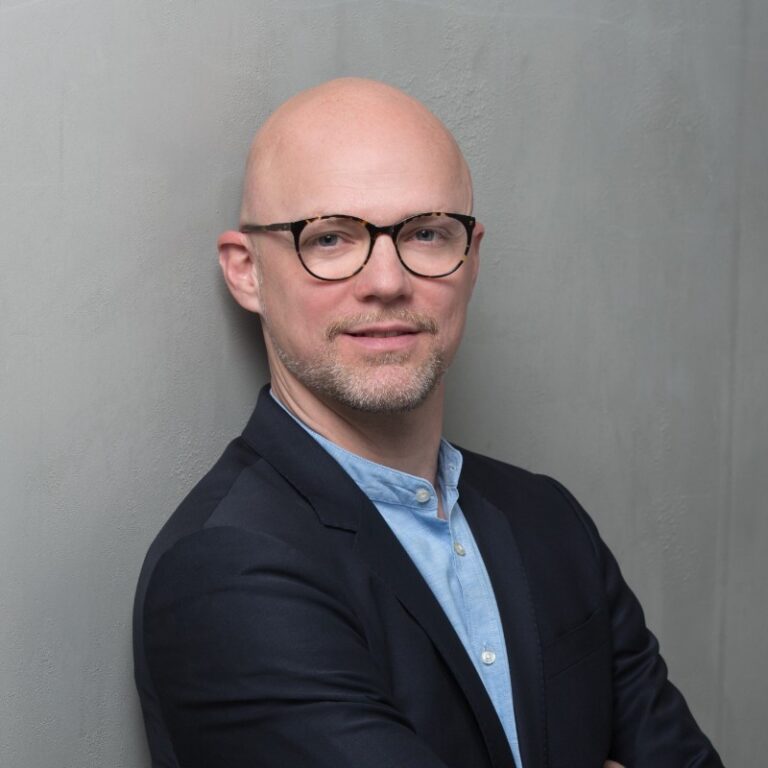

Barto Korpak
Program Lead, Finance Transformation | Domain Lead, FI/CO, Barto Korpak, Berlin


Prof. Dr. Reinhold Mayer
Board of Directors Péter Horváth Foundation
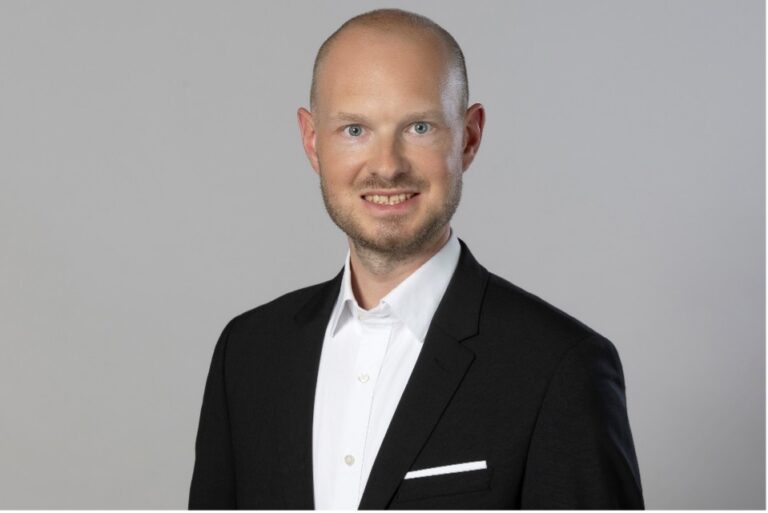
Tobias Meyer
Associate Partner, AI & Finance Transformation, Horváth & Partners GmbH, Stuttgart
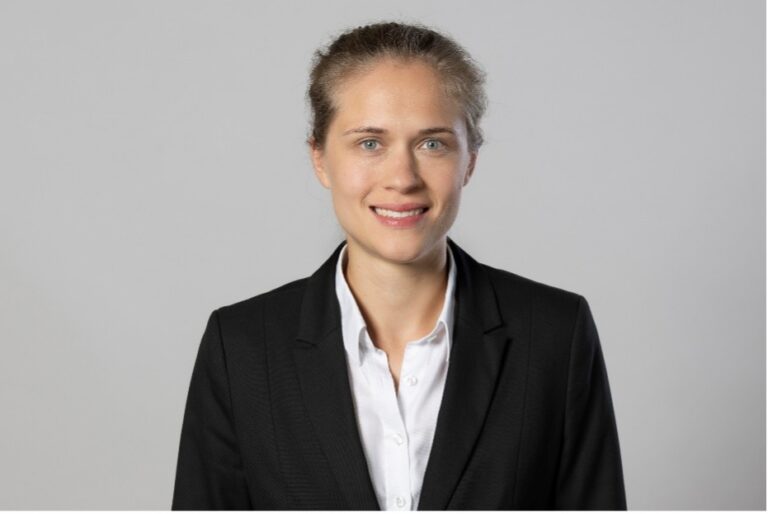

Daniel Mittelstädt
Business Coach, Head of Finance and Controlling, Daniel Mittelstädt Coaching


Prof. Dr. Lisa Perkhofer
Professor of Controlling & Business Intelligence, MCI Entrepreneurial School, Innsbruck

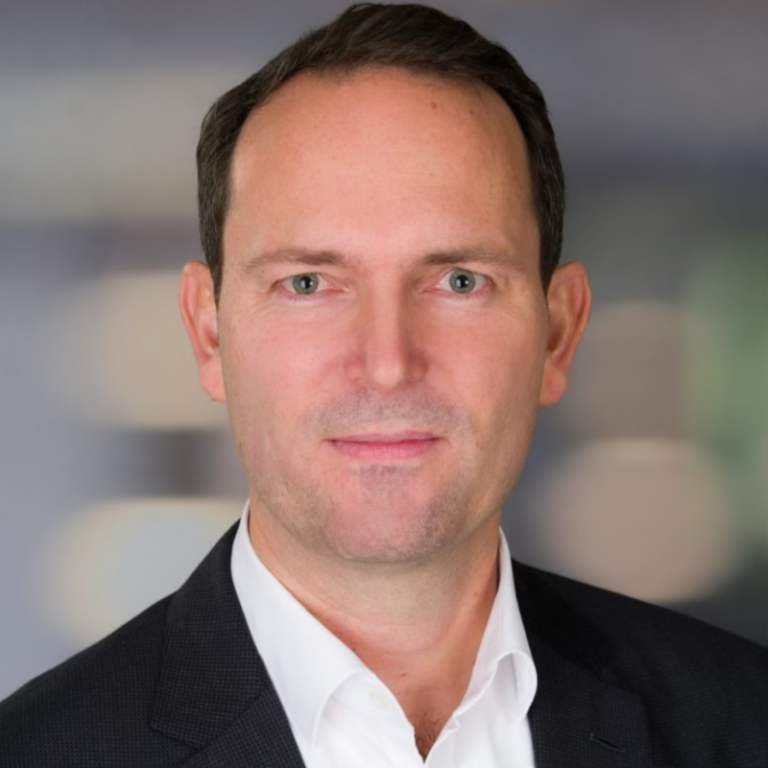



Prof. Dr. Andreas Seufert
Ludwigshafen University of Business and Social Sciences
Director of the Business Innovation Lab
Head of an Expert Work Group at the ICV

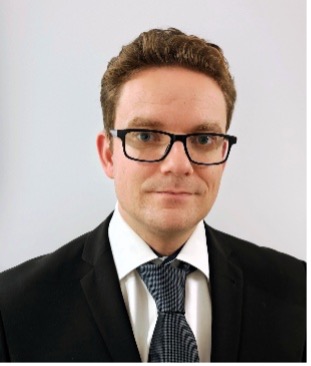
Dr. Niclas Thirst
Chair of Business Administration, with a focus on Management Accounting, University of Augsburg
Principal Consultant, Aeiforia GmbH, Montabaur


Can Tunco
Product Owner Standards & Solutions Steering Model MBC New Vehicles | FC<OS> Mercedes Benz


Dr. Andreas Wagner
Customer Success Executive & Senior Consultant, s-peers AG, Tägerwilen
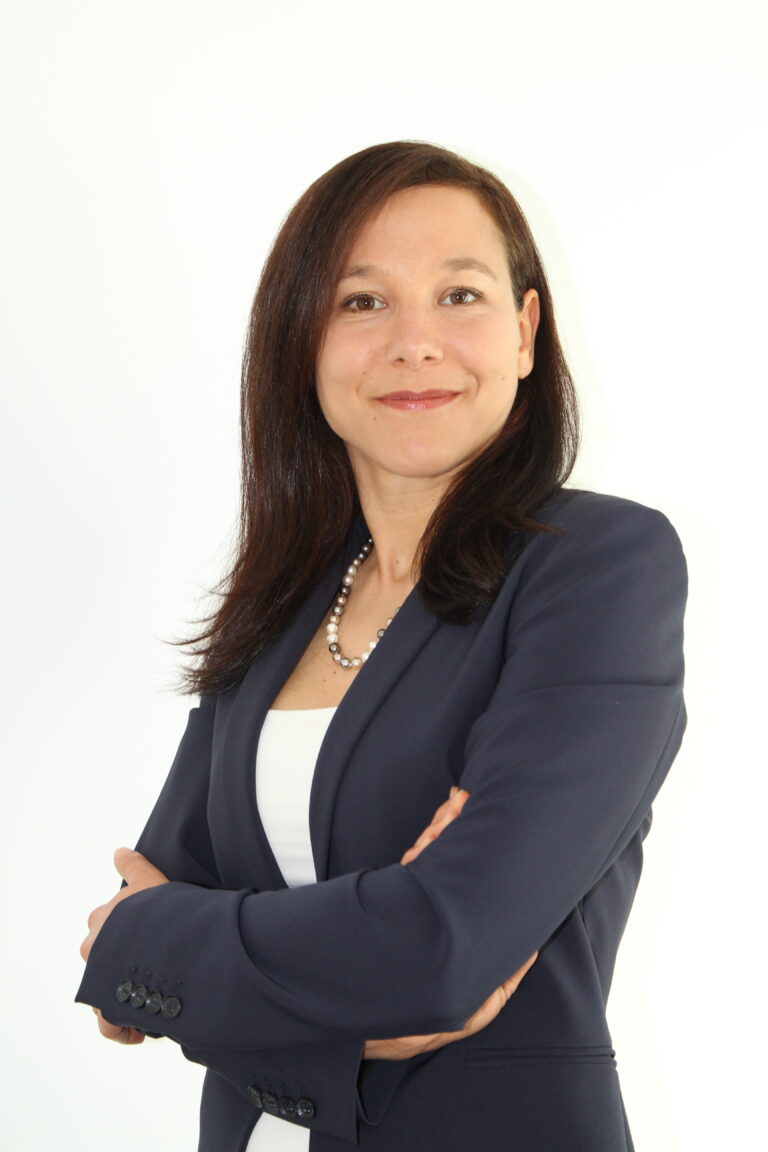
Daniela Wenig-Scheu
Controller, Innovation Driver, and Knowledge Multiplier, Merck KGaA, Darmstadt


Our Value Partners




Topics that are on the agenda in every company
📘 Transformation & business models:
How AI is changing controlling, finance and value creation – strategically and operationally.
📘 AI agents & co-pilots:
What is already possible today, where the added value lies and what limits need to be considered.
📘 Agility & Future Skills:
What skills teams need now to use AI effectively and responsibly.
📘 Connect & Community:
Exchange experiences, challenges and lessons learned from practice.
📘 Forecasting, Planning & Performance:
AI in planning, forecasting and performance management – from efficiency to decision quality.
📘 Business Intelligence & Data Analytics:
Data, transparency and insights as the basis for better decisions.
📘 AI & Data-Driven IT:
Technological requirements, data architecture and collaboration between finance and IT.
📘 Strategy & Governance:
Responsibility, rules, roles and guidelines for scalable AI applications.
📘 Conference / AI highlights:
Overarching impulses, trends and orientation for the further development of Controlling & Finance.
Formats that work
📍Key Note – for comprehensive and exciting insights
📍Presentation – for clear impulses and in-depth insights
📍World Café – for interactive dialog in small groups
📍Talk – for exciting discussions with different perspectives
📍Round Table – for personal, moderated exchange
📍Study results – creating practical relevance with empiricism
📍KI hands-on – actively experience AI by taking part and trying it out
📍KI knowledge nuggets – compact basics and orientation on AI
📍Creative formats – new ideas are welcome
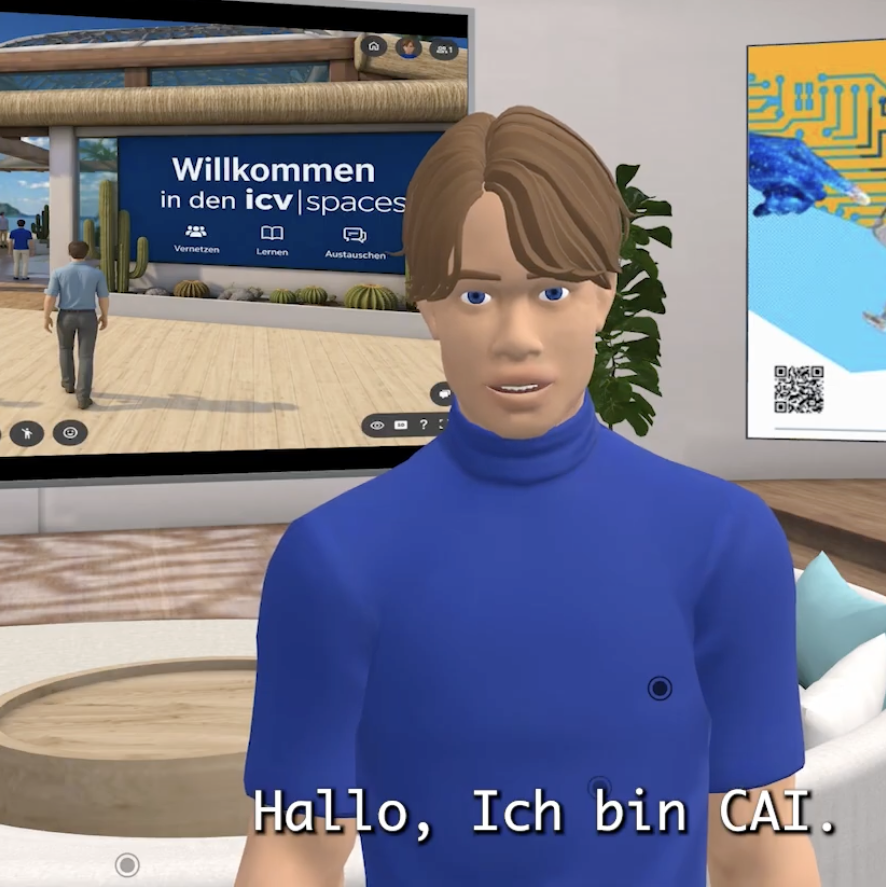
CAI Is Learning About Controlling—and You Can Help
Episode 1:
What should CAI learn first?
CAI auf YouTube
Join the discussion on LinkedIn
Episode 2:
Why so many names for the same document?
CAI auf YouTube
Join the discussion on LinkedIn
Episode 3:
What makes you nervous about the forecast?
CAI auf YouTube
Join the discussion on LinkedIn
Episode 4:
Data reveals possibilities; people make decisions.
CAI auf YouTube
Join the discussion on LinkedIn
CAI is the first fully virtual member of the icv|spaces community
About the CCS 2026
The 6th CCS with three days of events is once again all about Artificial Intelligence in Controlling & Finance. After “Are you ready?” in 2024 and “The journey continues” in 2025, it’s 2026: “Level up”. The focus is on the next decisive development step – tapping the potential of AI in corporate management in a targeted manner. Artificial intelligence is already changing the way companies analyze, plan, decide and manage, making it a key success factor for controlling and finance.
CCS 2026 provides practical impetus, fresh perspectives and concrete approaches for all those who want to actively drive change.
The CCS has established itself as a
The CCS impresses with its compact format, high content density and the active involvement of participants. With around 3.5 hours per day, digital stages in an inspiring environment and fluent changes between sessions, the Controlling Competence Spaces stand for contemporary and flexible access to knowledge.
The Metaverse makes this experience special: it combines content, exchange and orientation in an interactive space and thus opens up a new, intuitive form of participation – individually and according to one’s own interests.

Join us in November when we set off on this three-day journey together with enthusiastic speakers and participants. The aim is to return to everyday life with fresh perspectives, valuable experiences and a deeper understanding of AI in controlling – and to further expand your own controlling network at the same time. You will enter 2027 with fresh ideas, valuable impulses and a strong network at your side.
Impressions




FAQs
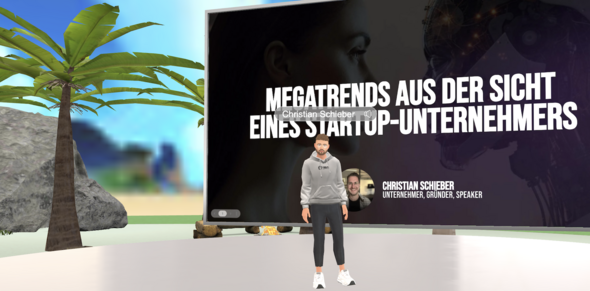
The Metaverse is like a mountain hut – we’re on first-name terms here. That’s how we keep it and we look forward to meeting you (again) in November 2025 in a relaxed atmosphere in the icvIspaces, probably & hopefully virtually shoulder to shoulder and in wonderfully individual outfits. Show who you are!
The CCS is ideal for specialists and managers who want to find out about current topics in controlling, finance, risk management, sustainability and IT. It is aimed at CFOs, employees at all levels of experience as well as data analysts, data scientists, risk managers and IT coordinators. The focus is on practical insights with a focus on the use of artificial intelligence in controlling. The CCS offers the opportunity to experience the innovative virtual format of icvIspaces for digital exchange.
The only requirement is a working internet connection. No special technical requirements are necessary, not even VR glasses. However, we recommend testing in advance whether your company software allows access, as there may be restrictions. A test link will be sent out for this purpose.
No, previous knowledge is not required. On Monday, November 9, 2026, there will be training sessions where you will receive all the important information.
No, you can also register for just one day. Select the day or days of your choice when you register.
No, membership of the ICV is not a prerequisite. However, ICV members benefit from price advantages and other exclusive benefits. You can find more information here.
Cancellation free of charge is possible up to four weeks before the start of the conference. Thereafter, 50% of the participation fee must be paid. In case of no-show, the full fee is due for payment. However, you can also name a substitute participant at any time.

No, the event will not be recorded. Participants will receive the presentations released by the speakers after the event. However, if you would like to experience the content of all up to 5 parallel sessions live, we recommend that you do so: In keeping with the motto “One to Four”, simply bring your colleagues along and discuss what you have heard and seen afterwards. By the way: If your company has a corporate membership with the ICV, up to 5 employees can benefit from special prices for attending our events. More about corporate membership here
We will provide you here in good time before CCS 2026 with the contact details of competent contact persons who can support you if required.
If you have any organizational questions, please contact Carmen Zillmer, +49 (0)8153 88974-20, e-mail c.zillmer@icv-controlling.com